Article search
Service & Support
Provide free, anonymous, and confidential rapid testing and counselling services for individuals in need, including rapid testing for HIV, Syphilis, and viral Hepatitis. The testing will be conducted by trained staff to ensure the process is carried out correctly, allowing service users to understand their health status and receive relevant health information to prevent or seek early treatment. Simply place a small amount of blood from your fingertip onto the test paper to obtain accurate preliminary screening results. Each testing session takes about 30 minutes. You can answer the following questions or call 3188 9024 to make an appointment.
*Not sure about your risk level? Try filling out this HIV infection risk assessment form!
"EasyCheck" HIV self-testing
Self-testing inquiry hotline: Call or WhatsApp 5244 3296.
The HIV self-testing kit is a home test that allows users to test for HIV antibodies anytime, anywhere in a comfortable environment and then dispose of the testing materials. The home test is a third-generation HIV test, while our centre offers a fourth-generation test with higher accuracy and sensitivity, so we recommend getting tested at our centre.
For individuals who find it inconvenient to visit our centre for testing, we provide the HIV self-testing kit (HIV Self Test) to those in need. The testing kit will be sent to your requested location. Our staff can also provide online support to assist you in using this testing kit. If needed, please click the "Apply for Self-Testing Kit" button immediately. Once our staff receives the form, we will contact you as soon as possible during office hours!
Application Process
*Important Notes:
The self-testing kit is only suitable for individuals who engaged in sexual activity more than 6 months ago and have not been tested for HIV, as well as those who have not taken Biotin, PEP, or PrEP.
This testing kit involves blood sampling, requiring a needle prick on the fingertip for testing. If you have a fear of needles, please contact our centre directly.
For newly infected individuals, facing an illness often gives rise to complex emotions. This includes accepting the fact of being infected, complying with treatment arrangements, dealing with work and family pressures, managing emotional relationships, and disclosing one's infection or health condition, all of which require assistance. Learning from peers, they actively confront the various challenges in life.
Our Service
Counselling Services
In response to the needs of the infected individuals, C.H.O.I.C.E. professional counsellors will provide individual counselling to assist in dealing with the emotional distress that arises in life due to the infection.
Emotional Assessment
Using professionally recognized emotional scales to measure the emotions of infected individuals.
Supporting Group
By organizing group activities, infected individuals can share, encourage, and support each other, enhancing their problem-solving abilities and building a mutual support network.
Service Referrals
Providing service referrals to infected individuals with different needs, such as medical services.
FAQs for people living with HIV
I show no sign of HIV/STD infection, should I check?
Not all sexually transmitted diseases or HIV have obvious symptoms. The incubation period of HIV varies, and symptoms may not appear for up to ten years in individuals infected with HIV. Although the body may not feel uncomfortable during the incubation period, HIV is present in the body. Early detection and treatment can reduce the chances of developing AIDS.
I heard the treatment is so expensive, is it so?
With government subsidy, Hong Kong residents holding a Hong Kong Identity Card can obtain anti-HIV medications at a fee similar to general specialist clinic charges, which is affordable for most people.
I don't want to be taking medicine for lifelong?
Regular medication helps control the condition and can be very helpful in maintaining a healthy life. It may be psychologically challenging to take medication regularly at the beginning, but once you adapt and establish a routine, it will become much easier.
If you prefer not to take medication daily, you may consider long-acting injectable therapy, which involves an injection every two months and offers similar efficacy to oral medication. Injectable treatment can reduce the inconvenience and psychological stress of daily timed medication for the infected person.
If you have any questions, such as finding it difficult to take medication regularly, the frequency of daily medication intake, or when to start taking medication, feel free to contact us for further assistance.
I know someone who does not take medicine is also living fine?
Every person's physical condition is unique, and the impact of HIV varies for each individual. Doctors will provide different treatment plans based on the circumstances of each infected person.
Although everyone's physical condition is different, HIV weakens the body's immune system after invading, making it harder for the body to fight off bacteria and diseases. Early detection and treatment are recommended to minimize the risk of damage caused by HIV to the body.
Undetectable level of HIV mean I can engage in high-risk sexual activities?
Just because the virus is not detectable does not mean you cannot transmit sexually transmitted diseases to others! Any STD can be transmitted through unsafe sexual practices, such as syphilis, genital warts/STI warts, or hepatitis, among others. When the body's resistance weakens, the risk of infection increases. To protect yourself and others, always use a condom during any sexual activity.
What is life after being infected with STD?
Life after infection is most importantly determined by one's attitude towards life! If you feel lost on the journey of life after infection, feel free to contact Rethink. Together, we can face the crossroads in life, let Rethink accompany you through it, and you will discover that life can be more positive and proactive!
Can the infectee engage a high-risk sexual activities with another infectee?
Even if both parties are infected, safe sexual practices are still necessary to prevent cross-infection, avoid virus mutations, develop drug resistance, and affect treatment. Unsafe sexual practices also increase the risk of contracting other STDs. Therefore, infected individuals need to protect themselves even more.
Do I need to declare when travelling or working in other countries after being infected?
Entry requirements vary from country to country, and details can be checked at the immigration office of each country.
What are the immigration issues for infected people?
如感染者有移民方面的查詢,可先聯絡移民目的地的註港領事館了解相關的限制,如當地沒有限制,可以提前了解當地的醫療網絡,了解當地能否提供藥物的支援,確保在移民後可持續得到藥物的治療。若當地能夠提供適當的藥物治療,可以在港提前做準備,包括確診証明、醫療報告等,好讓當地醫生更好地了解你的情況。
*You can contact C.H.O.I.C.E. professional counsellors by calling 31889024 or via WhatsApp at 55445540.
What is CF?
"CF" in Hong Kong is known as Chem Fun or Chem Sex (Chem stands for Chemicals, referring to drugs; Fun and Sex represent sexual pleasure), where gay men consume drugs or substances before or during sexual activities to enhance sexual excitement. CF mainly involves Viagra (V), Methamphetamine (a.k.a. Ice) (I), Poppers (P), and GHB (G), abbreviated as VIPG. Some individuals also use "Foxy" (5-Methoxy-diisopropyltryptamine) (F).
The reasons for engaging in Chem Fun vary, and each individual participating in Chem Fun has their own story, reflecting certain needs or thoughts. On our paths to maturity, we all desire to be understood, but more importantly, we need to understand our true needs.
Some friends may have gained something from CF but also lost something. In what situation do you find yourself now?
Seeking Help
Where can you seek help when you need professional counselling related to CF?
There are various drug abuse support programs for the LGBTQ community in Hong Kong, and our centre primarily offers services such as:
·Referral to psychiatric services
·Counselling (individual/couples)
·Activities and mutual support groups
If you or your friends wish to have a fresh start, feel free to inquire through the following channels:
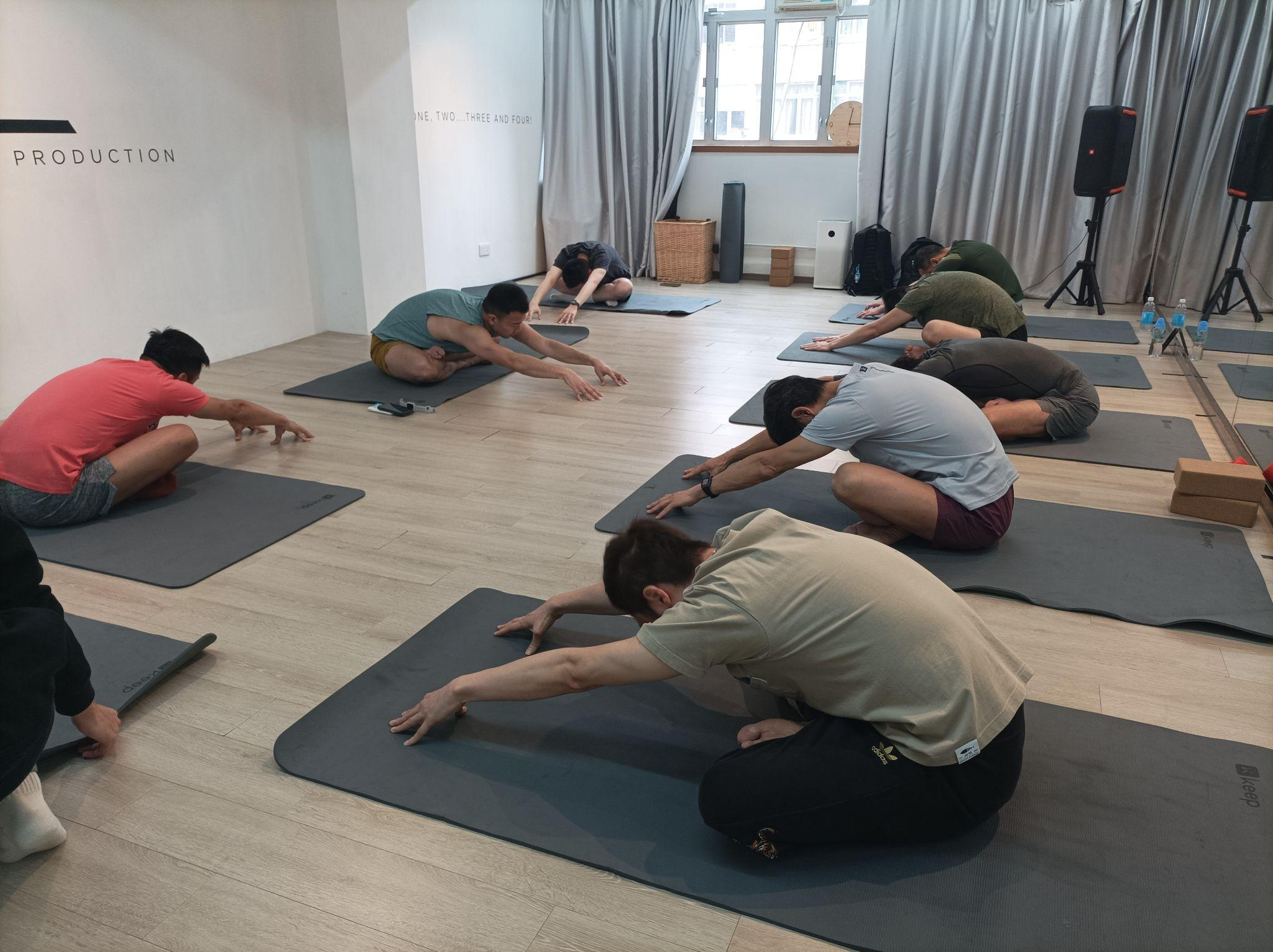
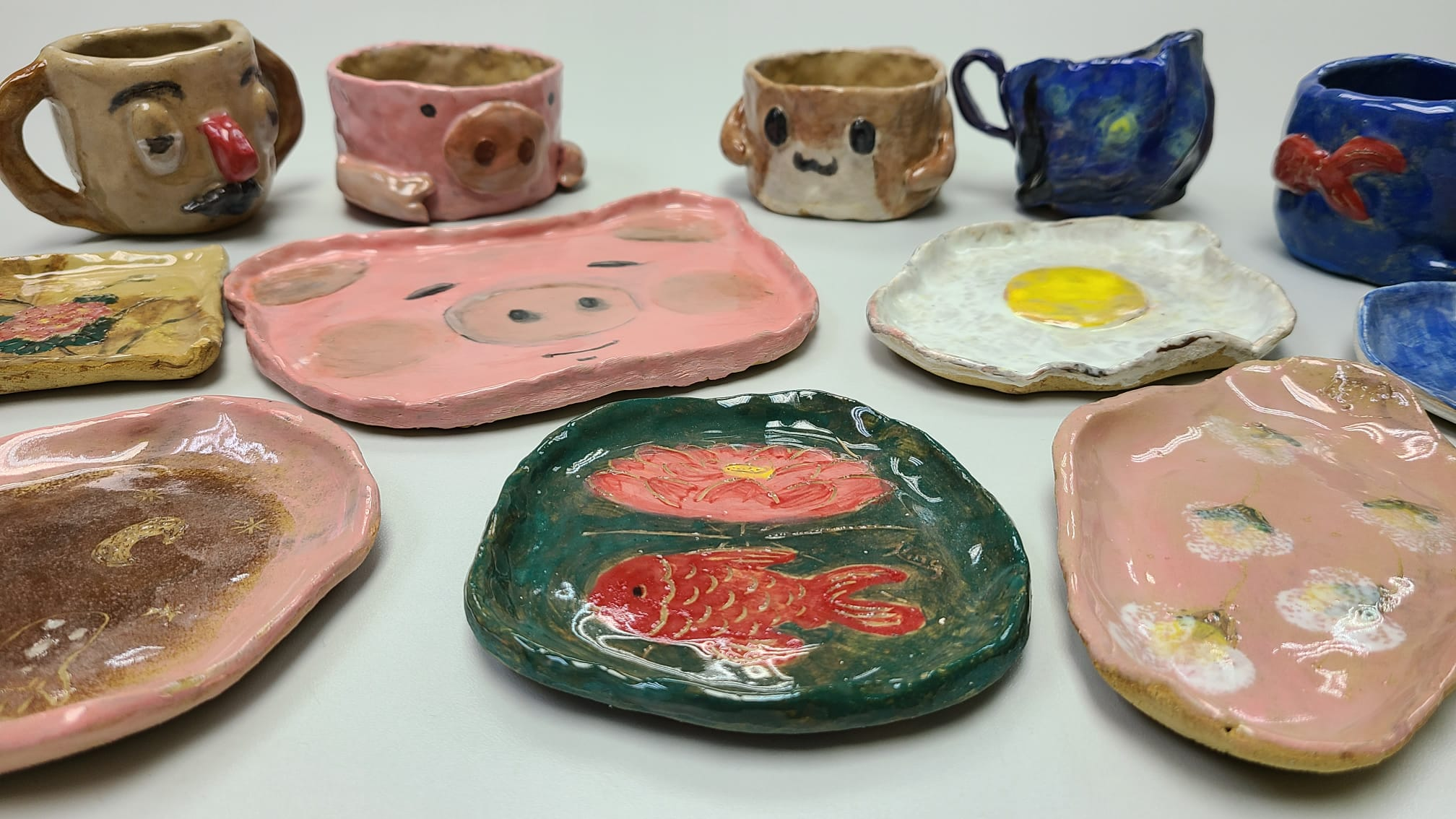
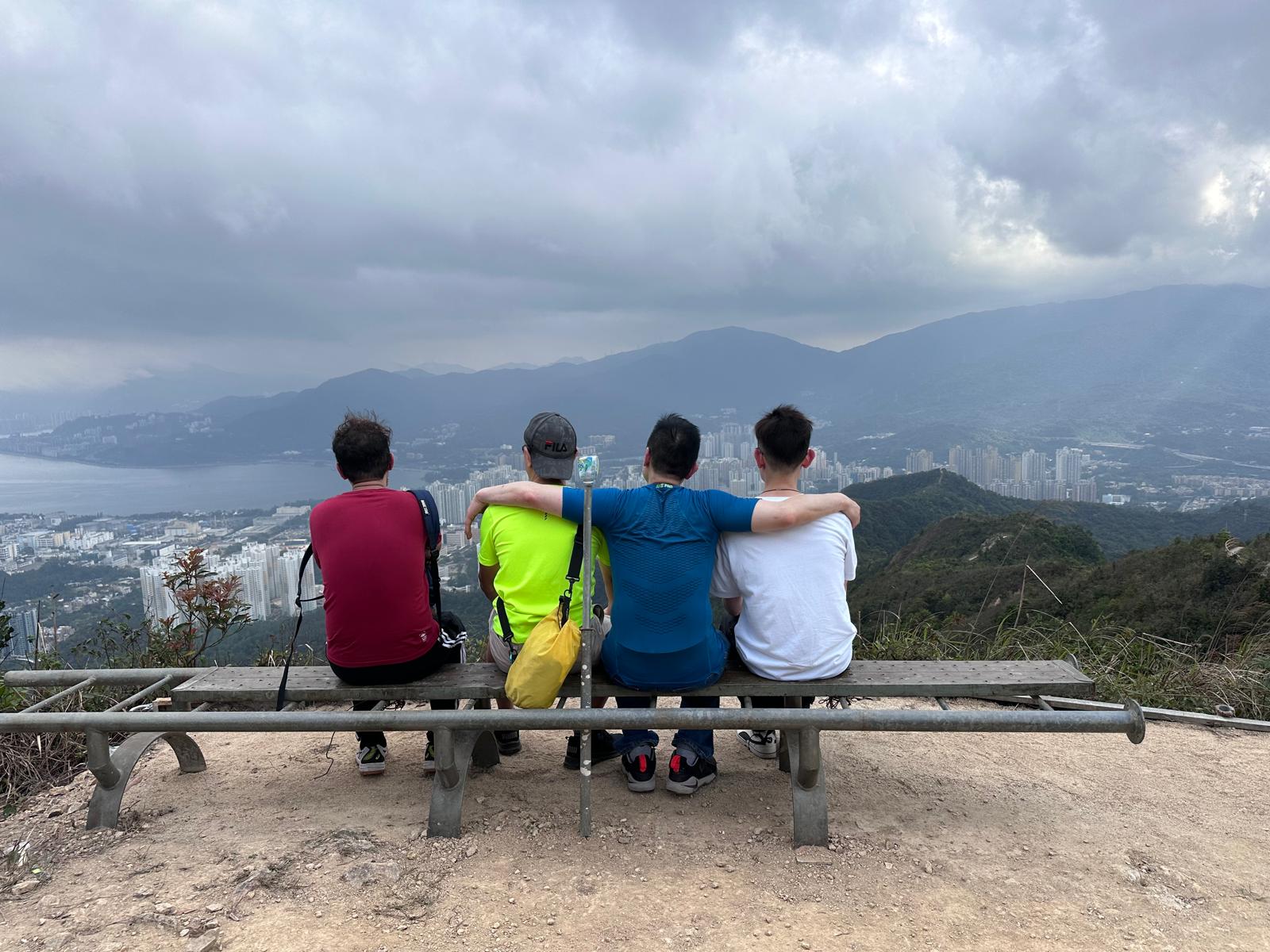
Through activities such as board games, art workshops, and sports training classes, participants can connect and interact, expand their social circle, and build peer support. Simultaneously, helping participants gradually shift their focus to beneficial social activities, cultivating healthy habits and positive values, and reducing reliance on high-risk behaviours.

1.Community Outreach
At places where service users gather, promote health messages on HIV/AIDS and sexually transmitted diseases, distribute free condoms and lubricant packs, and correct misconceptions in the community regarding HIV/AIDS and STD infections.
2.Online Outreach
Answer questions about sexual health for internet users and provide counselling or support to alleviate their anxiety and encourage them to undergo regular STD checks and avoid self-medication.
Additionally, establish pages and official accounts on different social networking platforms (Facebook, Instagram, X) and mobile dating apps (Grindr, Jack’d), posting relevant articles on HIV/AIDS, STDs, and other health topics to provide internet users with diverse health information.
Regularly conduct community education work, previously collaborated with tertiary institutions on a "service learning program," providing frontline internship opportunities for college students while educating them and the public on sexual health and drug-related knowledge and information, aiming to reduce the stigmatization and discrimination against STDs and HIV/AIDS.
Collaborate with colleagues in the field of drug rehabilitation and volunteers to enhance knowledge on STDs and update drug abusers on their current situation. The content mainly focuses on how drug addiction forms, what triggers and incentives lead to addiction, and raises awareness about preventing HIV/AIDS and STDs.
Invite professionals to share the obstacles encountered in providing support services, and have individuals share their personal experiences, with the hope of strengthening and improving existing drug rehabilitation support services.
Also provide volunteers with various outreach, group activities, visits, and other experiences to enrich their life experiences. Volunteers will assist in outreach work after completing training and contributing to the community. For details, please stay tuned to our social media announcements.
Contact us
郵箱綁定